
It Started With a Wet Floor. Here’s What You Do Next.
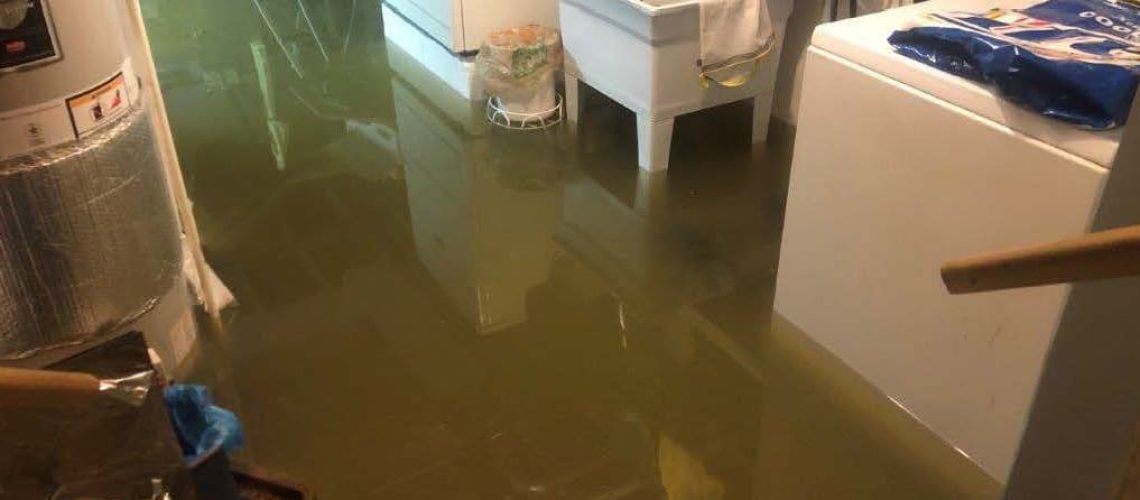
You noticed it this morning. Maybe a soft squish under your foot in the hallway. Maybe a suspicious smell drifting up from the basement. Or worse — you walked into your living room and found standing water.
Before anything else: take a breath. Water damage feels like a crisis, and it is — but it’s a manageable one if you act fast and act smart.
The problem is most homeowners waste the first few hours on the wrong things. They mop, fan it out, wait to see if it dries. And all the while, water silently soaks into your subfloor, your drywall, your insulation. Within 48 hours, you’re no longer dealing with a water problem. You’re dealing with a mold problem. That’s an entirely different — and far more expensive — conversation.
If you need immediate help, our water damage restoration in Branson, MO team is available 24/7
This guide is written from 20+ years of hands-on restoration experience here in Branson and the Ozarks. No filler. Just what you actually need to know to protect your home and your wallet.
What Is Water Damage Restoration, Really?
Most guides lead with a textbook definition. We’ll skip that and tell you what it actually means for your property.
Water damage restoration is the full process of returning your home or business to safe, livable condition after water intrusion. That means much more than drying visible wet spots. It means finding moisture you can’t see, eliminating the conditions that breed mold, restoring structural integrity, and ensuring your air quality is safe for your family.
There’s one distinction that trips up a lot of homeowners: water mitigation and water restoration are not the same thing.
Mitigation vs. Restoration — Know the Difference
- Mitigation is the emergency phase — stopping the source, extracting standing water, and protecting your property from further damage. This happens in the critical first 24–48 hours.
- Restoration is everything after — drying, cleaning, sanitizing, rebuilding. It’s the work that gets your property back to what it was before.
A qualified professional water damage restoration company handles both — and that distinction matters for your insurance claim. That distinction also matters for your insurance claim, since each phase is documented and submitted separately.
Professional water extraction in action — the critical first step in every restoration job.
The Water Damage Restoration Process — Step by Step
Every job has its own variables, but the core sequence stays consistent. Here’s what to expect when a professional crew arrives:
Step 1: Emergency Assessment & Water Extraction
The team surveys the full scope of damage and gets water out immediately. Industrial extractors pull hundreds of gallons in a single visit — a level of extraction that no shop vac or wet mop can come close to.
Step 2: Moisture Mapping
This is where professional restoration earns its value. Using thermal imaging cameras and calibrated moisture meters, technicians locate water that has migrated inside walls, under flooring, and into cavities invisible to the eye. Skipping this step is the single biggest reason DIY restoration jobs fail — you dry what you can see, not what’s actually wet.
Step 3: Structural Drying
Industrial dehumidifiers and air movers are positioned strategically throughout the affected area. This isn’t about running a box fan for a few days. Professional equipment achieves a controlled dry rate that prevents mold while protecting your materials from further damage.
Step 4: Sanitization & Odor Control
Water — especially from flooding, sewage backup, or prolonged standing — carries bacteria and organic contaminants. Affected surfaces are treated with antimicrobial solutions. Odor elimination targets the biological source, not just the smell.
Step 5: Restoration & Rebuild
Drywall, flooring, insulation, trim — whatever was removed or damaged gets restored. Kleen Green Group manages the full rebuild, so you’re not juggling a restoration crew and a separate contractor through the most stressful weeks of your life.
How Long Does Water Damage Restoration Take?
The straightforward answer: it depends on the category of damage, the extent of saturation, and — most critically — how quickly restoration started.
General timelines:
Minor damage (appliance leak, contained area): 3–5 days Moderate damage (burst pipe, one room): 5–10 days Major flooding (multiple rooms, subfloor): 2–4 weeks or longer
The most important factor in your timeline isn’t the severity of the damage itself — it’s your response time. A job that takes 5 days when addressed within the first few hours can become a 3-week project if you wait 72 hours. The drying physics change. If mold takes hold, the scope changes entirely.
One thing we see frequently in Branson that most guides never mention: Ozarks humidity significantly slows the structural drying process compared to drier climates. Our crews account for this in equipment selection and monitoring schedules — it’s the kind of local knowledge that changes outcomes.
Why Professional Restoration Matters (And What DIY Really Costs You)
We understand the instinct to handle it yourself. Rent a wet vac, run fans, pull up carpet — it feels like progress. Here’s what most homeowners don’t realize until it’s too late:
- Moisture meters cost $200–$800. Without one, you’re guessing at what’s actually dry.
- Mold can colonize inside walls within 48–72 hours under the right humidity conditions.
- Insurance adjusters look for professional documentation. A DIY job without proper records can seriously complicate your claim.
- Hardwood floors and drywall have specific moisture thresholds before they’re safe to restore. Without measurement, you’re closing up walls over materials that are still wet.
We’ve seen the aftermath of well-intentioned DIY restoration jobs more times than we can count. The pattern is almost always the same: the homeowner thinks it’s handled, the walls go back up — and six months later, they’re calling us about a mold problem in rooms they were sure were fine.
The professional cost is nearly always less than remediating the damage from a DIY job gone wrong.
How to Choose a Water Damage Restoration Company in Branson
Not every company that shows up after a water event is qualified. Here’s what genuinely matters when you’re making a fast decision under pressure:
- IICRC Certification: The industry’s certification standard. Ask for it by name.
- Local expertise: National franchises can be capable, but local companies know your region — Ozarks humidity, Table Rock Lake flooding patterns, older construction. That knowledge affects results.
- True 24/7 response: If a company doesn’t pick up at 2am, they’re a scheduling service, not a restoration company.
- Direct insurance coordination: Your restoration company should communicate with your adjuster — not leave that to you.
- Full-service capability: Mitigation, drying, and rebuild under one roof. Managing multiple contractors during a crisis multiplies your stress for no reason.
The Ozarks Have Unique Challenges — Here’s What Most Guides Miss
Generic water damage guides are written for a generic house in a generic climate. That’s not Branson — and it’s not your situation.
Ozarks properties face a specific set of conditions that directly affect how water damage develops and how restoration needs to be handled:
- Humidity levels: Year-round moisture near Table Rock Lake accelerates mold growth and slows drying — equipment choices matter far more here than in drier regions.
- Seasonal flooding: Heavy spring rains and lake overflow affect low-lying and lakeside properties in ways that landlocked areas simply don’t experience.
- Missouri winters: Frozen pipes catch homeowners off guard. A pipe bursting while no one’s home can cause serious structural damage within hours.
- Older housing stock: Many Branson-area properties have crawl spaces, older plumbing, and insulation that responds differently to water intrusion than newer construction.
These aren’t hypotheticals — they’re the scenarios our team has been handling since 2001. Local experience isn’t a marketing line. It directly affects the quality and speed of your restoration.
People Also Ask: Water Damage Restoration FAQs
Q: What should I do immediately after discovering water damage?
Shut off the water source if you can safely reach it. Turn off electricity to the affected area. Call a restoration professional immediately. Document everything with photos before cleanup begins — your insurance claim depends on it.
Q: Is water damage restoration covered by homeowners insurance?
It depends on the cause. Sudden and accidental damage — burst pipe, appliance failure — is typically covered. Storm flooding usually requires separate flood insurance. Gradual damage from a slow leak you ignored is usually excluded. A professional restoration company helps document the cause clearly for your adjuster.
Q: How long does water damage restoration take?
Minor jobs: 3–5 days. One-room damage: 5–10 days. Major multi-room flooding: 2–4 weeks or more. Starting within the first few hours dramatically affects both timeline and final cost.
Q: Can I stay in my home during restoration?
For minor, contained incidents, often yes. For major flooding or any mold involvement, temporary arrangements are usually safer. Your restoration team will give you an honest assessment when they arrive.
Q: What happens if water damage goes untreated?
Mold growth starts within 48–72 hours. Structural deterioration accelerates. Air quality degrades. And your repair bill grows fast. A $2,000 restoration job ignored for a week can become a $15,000+ mold remediation and full rebuild.
Q: How do I know if there’s hidden water damage inside my walls?
Soft spots, discoloration, peeling paint, warped flooring, or a persistent musty odor are all warning signs. The only reliable confirmation is professional moisture mapping with thermal imaging — which is standard in every Kleen Green assessment